Owner side
What the handler has to keep doing
The dog works with whoever practices with it. These are the habits that decide whether training lasts.
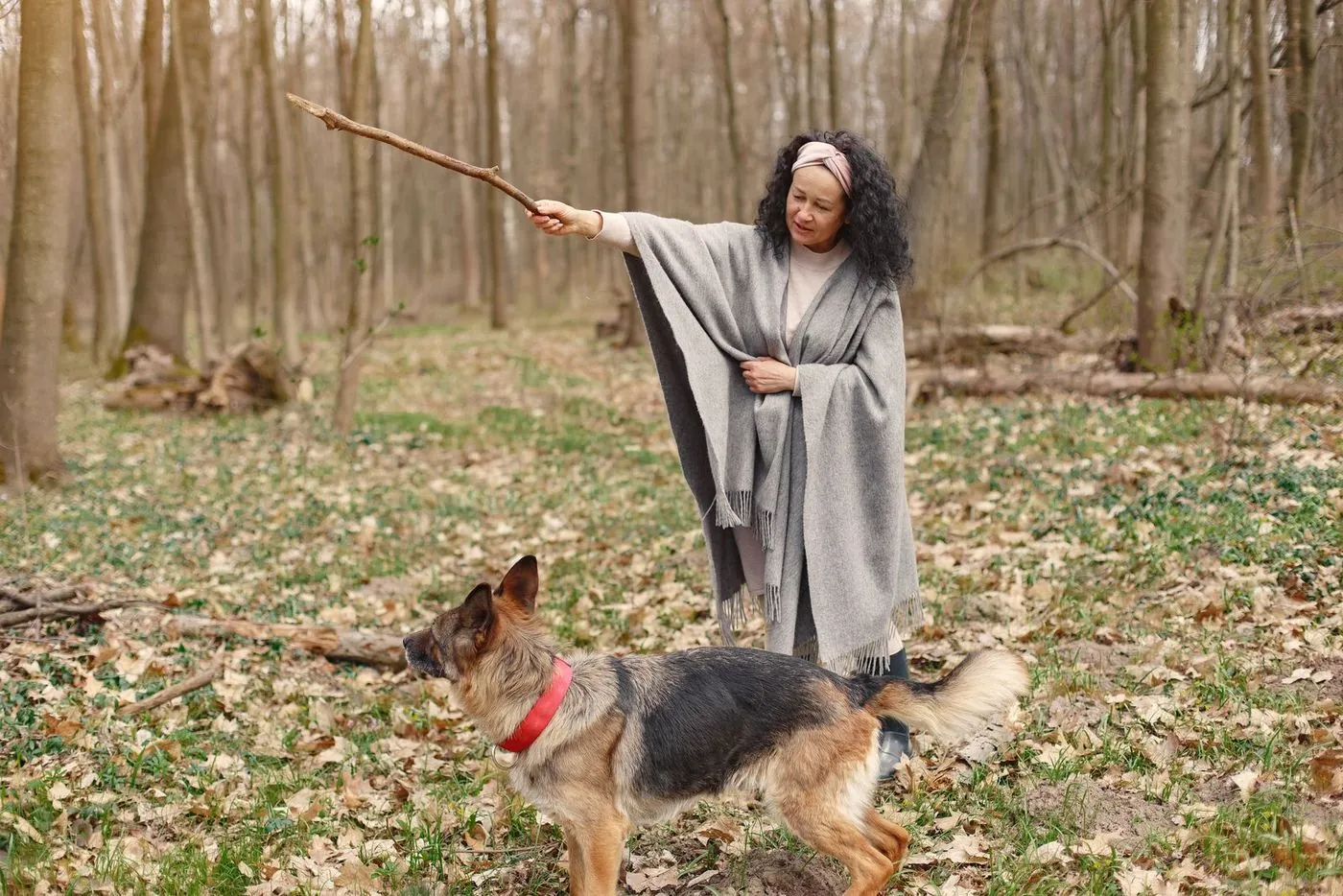
Practice is the product
A lesson is a coaching session; the learning happens in between. Trainers assign short repeatable drills and expect owners to run them. If you cannot realistically fit that in, say so at the start, because a professional can adjust the plan but cannot practice for you.
A realistic weekly rhythm
- Brief obedience drills on most days, in more than one location.
- Loose-leash walks that double as a check on the dog's focus.
- Scheduled lessons or club sessions, attended in person.
- Calm rest time, because a working dog still needs sleep and downtime.
Frequency and length vary by dog and program. Ask the professional to write yours down rather than relying on a general figure.
Control in public is your job
- Keep the dog leashed in public places unless a professional has cleared otherwise and the law allows it.
- Tell guests and family the house rules for the dog before they arrive.
- Do not set up bite exercises yourself. Protection work belongs under an experienced helper.
- Stop and call the professional if the dog's behavior changes suddenly.
Maintenance does not end
Skills fade without use. Plan periodic check-ins with the professional, and treat any lapse in control as a reason to go back a stage. The safety and liability page covers what follows if control fails.
Quick answers
Can a family member share handling?
Only if they are taught the same commands and rules. Mixed signals confuse any dog.
What if I travel often?
Raise it early. The plan may need a second handler or a different goal.
Ready to talk to someone local?
Send a request and K9PN will refer it to an independent professional or program that covers your ZIP code.